
This week, Earshot had the pleasure of attending the Corporate Social Media Summit in Brooklyn, NY. With more than 350 attendees from Fortune 500 brands, agencies, and technology companies, the conference featured engaging content on the state of the social media landscape, and how the industry will evolve in the future. From Coca-Cola’s Social Media Director Tim Goudie to Twitter’s Head of Social Customer Service Jeff Lesser, top thought leaders shared some great pieces of advice with attendees. Here are five major takeaways from this year’s conference.
1. “Stop selling, start telling”
In his presentation, Coca-Cola Social Media Director Tim Goudie explained how the brand utilizes video to communicate with target audiences on social media. As part of its sustainability initiative in 2015, Coca-Cola released two different videos to target specific audiences. The first video, “Introducing Plant Bottle”, which runs for four minutes, was targeted to brands and focused on product innovation. The second video, “Plant Bottle Pendulum Wave” runs for one minute and was targeted toward consumers, featuring unmarked soda bottles swinging in mesmerizing patterns, encouraging viewers to “see bottles differently.” By sharing these videos with the right audiences through various social channels, Coca-Cola generated significant engagement with the brand, ultimately leading to higher brand perception and sentiment.

2. Use social to understand your customers
More than 80% of companies still believe that are not fully leveraging the power of social, largely due to lack of organizational support. Wilson Sporting Goods CMO Amy Weisenbach described how she received buy-in from her organization by using social media to discover key insights about younger athletes. Last year, in an effort to refresh the brand’s 100-year-old image, Weisenbach and her team launched the #MyWilson campaign, where Millennials and Gen Zers were encouraged to post videos on social media, describing their emotional relationship with their athletic equipment. While most athletes knew and used Wilson products, they could not articulate what the brand meant to them –“products are not brands,” she said. By launching the #MyWilson campaign, Weisenbach was able to tap into the emotional connection athletes had with her brand, leading to significant brand engagement and affinity.

3. Social customer service is the new normal
Customer service is no longer synonymous with being placed on hold, or waiting in long lines. Today’s consumers demand responses within minutes, fueled by channels such as Twitter and email. Jeff Lesser, Head of Social Customer Service at Twitter, described how more and more brands are leveraging the social channel to resolve customer service issues rapidly and efficiently, ultimately leading to higher revenues. For example, Twitter found that customers who receive a response from an airline in under six minutes will spend $20 more with that airline in the future. Lesser also recommends that brands use separate handles to resolve issues to adequately handle volume, and personalize interactions (with initials or a first name of the agent) so that consumers don’t feel like they’re talking to bots. Lesser also mentioned that Twitter will soon be rolling out new features for social customer care, such as CSAT scores.
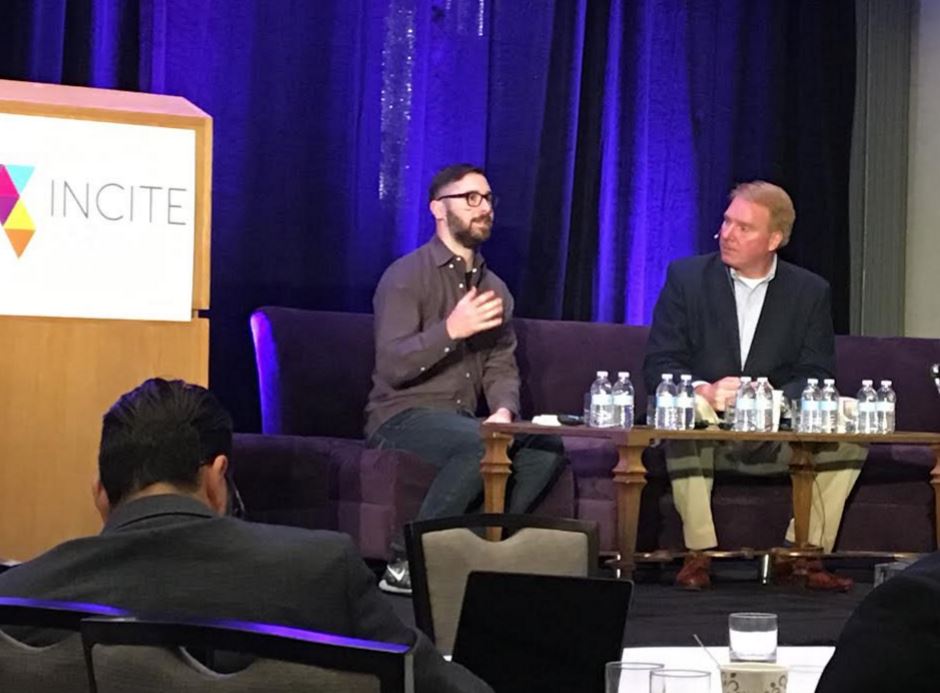
Twitter’s Jeff Lesser (left) speaks with Forbes’ Glenn Gilmore at the 2016 Corporate Social Media Summit.
4. Protect your brand on social media
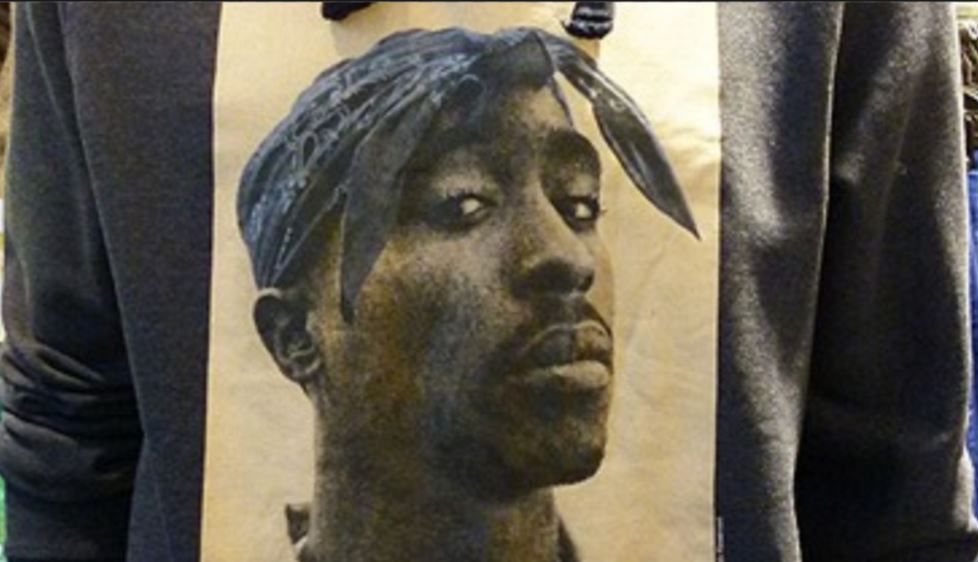
While social media is a great place to interact with your customers, it can also raise important legal questions: Who is responsible for moderating content? If fans are attacked on message threads, are brands liable for any resulting damages? Jenny Wolfram, Founder and CEO of BrandBastion discussed how she helps brands to navigate these cases, and protect themselves in the event of a crisis. Wolfman described how BrandBastion recently helped H&M navigate a situation where a shopper was attacked after posting a photo with negative comments about artist Tupac Shakur.
5. Drive consumer engagement with UGC
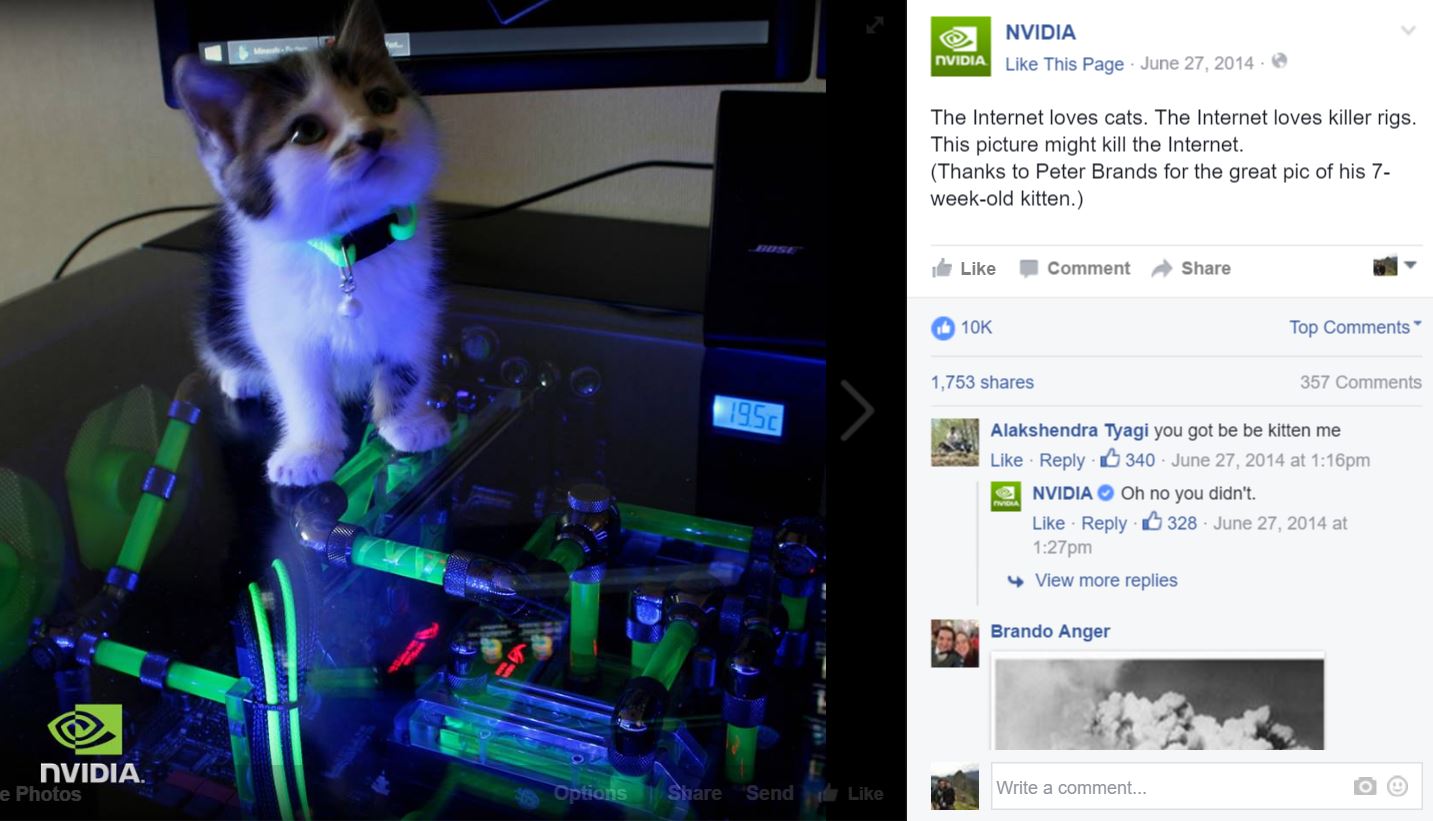
While creating content can be a lengthy process, leveraging your customer’s assets is an easy and inexpensive way to communicate your brand’s message. This especially works well for brands with large, dedicated fan groups on social media such as sports fans and video gamers. Leslie Drate, former head of global social media at NVIDIA, describes how the brand consistently used UGC to promote the brand’s custom game consoles. Drate related how one image, “Kitten on a Rig,” originally posted by NVIDIA enthusiast Peter Brands, received more than 10,000 likes and 350 comments.
We’re thrilled that we were able to attend this year’s conference, and hope these insights help guide your brand’s social strategy. We look forward to seeing you at our next event, the NG Digital Marketing Leaders Summit from August 29-31st in San Diego, CA.